Residential Alarm Systems vs Smart Home Security: What's the Difference?
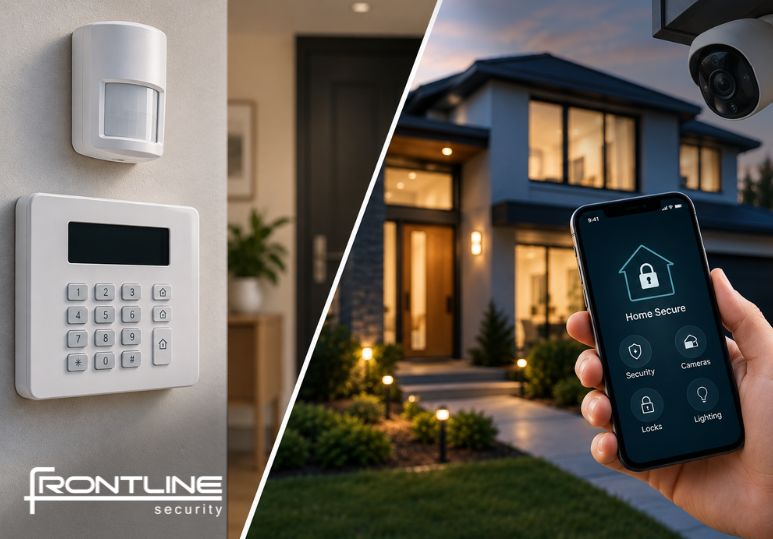
Home security has changed significantly as traditional alarm equipment and connected smart technology have become more advanced. Residential alarm systems homeowners consider are primarily designed to detect security threats such as unauthorized entry, while smart home security can combine protection with connected devices, remote controls, notifications, cameras, and automation. Although the two approaches have differences, they can also work together as part of a complete security strategy. Home security systems residents choose should reflect the property's layout, household routines, security concerns, and desired level of monitoring. Some homeowners prioritize straightforward intrusion detection, while others want a connected system they can manage from their phones. Understanding how traditional alarms compare with smart home security solutions can make it easier to choose technology that provides reliable protection, convenient management, and flexibility as household security needs change. Modern systems can also make it easier to monitor entrances, review activity, manage access, and stay informed while away from home. With the right combination of professional installation, dependable alarm technology, and smart features, homeowners can create a security system that supports both everyday convenience and long-term protection.
HOW THE SYSTEMS DIFFER
Traditional residential alarm systems are built primarily around security detection. A typical system may include door and window contacts, motion detectors, glass-break sensors, a control panel, sirens, and other devices positioned throughout the home. When the system is armed and a sensor detects activity, it triggers an alarm.
Depending on the configuration, an alarm may activate an audible siren, send a notification, or communicate with a professional monitoring centre. Monitored home alarms provide an additional layer of oversight because security signals can be received even when the homeowner is sleeping, working, travelling, or otherwise unable to check an alert immediately.
Smart home security expands on this concept by connecting security equipment with internet-enabled technology. A homeowner may be able to use a smartphone to check cameras, control compatible locks, review alerts, arm the alarm, or confirm whether certain doors are secured.
Common components can include:
- Sensors
- Cameras
- Keypads
- Sirens
- Locks
- Doorbells
- Detectors
- Apps
The biggest difference is therefore not necessarily the equipment itself, but how the devices communicate and how much control the homeowner has. A conventional alarm may focus primarily on detecting an intrusion, while a smart system can combine security detection with remote access and automation.
For example, a smart security system could send a homeowner an alert when someone approaches the front door. The homeowner may then be able to check a compatible camera remotely. Depending on the equipment installed, other connected devices may also be managed through the same platform.
That convenience does not mean a traditional alarm has become obsolete. Reliable intrusion detection remains the foundation of effective residential security. Smart technology is most useful when it strengthens that foundation rather than replacing essential detection equipment with convenience-focused devices.
Another important difference is connectivity. Smart devices generally rely on a network connection for many remote functions. Professionally designed home security systems may incorporate appropriate communication and backup options to maintain important security functions if normal connectivity is disrupted.
Ultimately, homeowners do not always have to choose strictly between a traditional alarm and smart security. Modern systems can combine elements of both, providing dependable intrusion detection alongside connected features that make security easier to manage.
SMART FEATURES AND MONITORING
Convenience is one of the biggest reasons homeowners consider smart home security. People increasingly expect to manage important parts of their homes from their phones, and security is no exception. Remote access can provide greater visibility into what is happening at the property when nobody is home.
A connected security platform may allow authorized users to check system status before leaving work, confirm whether the alarm was armed, receive notifications about activity, or review compatible camera footage while travelling.
Useful smart security features may include:
- Remote arming
- Mobile alerts
- Video viewing
- Activity history
- Smart locks
- Doorbell cameras
- User management
- Device automation
These capabilities can be particularly helpful for busy households. Instead of wondering whether the system was armed after leaving home, an authorized user may be able to check its status remotely. Notifications can also provide faster awareness of activity around the property.
However, mobile notifications and professional monitoring are not the same thing.
With a self-managed smart system, the homeowner may be responsible for noticing an alert, reviewing what happened, and deciding what to do next. If that person is unavailable or does not see the notification promptly, the response could be delayed.
Monitored home alarms add professional oversight. When an eligible alarm signal is transmitted to a monitoring centre, established procedures can be followed according to the service and type of event. This reduces reliance on the homeowner being available every moment of the day.
For many households, combining smart features with professional monitoring provides a practical balance. Homeowners retain convenient access to their system while gaining another layer of security oversight.
Cameras can also complement an alarm system by providing visual information. Indoor or outdoor cameras may help homeowners review activity around entrances, driveways, garages, yards, or other important locations. Video doorbells can provide additional visibility around a commonly used entrance.
Access management is another advantage. Depending on the system, homeowners may be able to create separate credentials or permissions for household members rather than sharing one method of access. This can make security easier to manage as household routines change.
Smart technology can also support automation. Compatible devices may be configured to perform certain actions based on schedules or security events. The exact capabilities depend on the equipment and platform selected.
The goal should still be reliable protection. Adding dozens of connected devices does not automatically make a home safer. Effective residential alarm systems begin with understanding the property, identifying vulnerable areas, and selecting technology that addresses those risks.
CHOOSING YOUR HOME SECURITY
The right system depends on the home and the people living in it. A small property with a few entry points may have very different requirements from a large home with multiple exterior doors, an attached garage, extensive outdoor areas, and frequent periods when residents are away.
Before choosing between conventional alarms and smart home security, homeowners should consider what they actually expect their system to accomplish.
Important questions include:
- What needs protection?
- How many entrances exist?
- Are cameras required?
- Is remote access important?
- Is professional monitoring preferred?
- Are smart devices already installed?
- Will the system need to expand?
- Who needs system access?
Professional residential alarm installation can help answer these questions by evaluating the property rather than recommending equipment based solely on popular features. Proper sensor and camera placement can be just as important as the technology selected.
Entry doors and accessible windows may require detection, while other parts of the property may benefit from motion sensors or cameras. The objective is to create appropriate coverage without installing unnecessary devices.
Homeowners should also think about reliability. Security technology needs to function consistently, not simply look impressive on an app. Equipment quality, communication methods, backup power, software support, and professional maintenance can all affect long-term performance.
Privacy and account security are also important when using connected devices. Smart security equipment may communicate across a home network or cloud-based service, making secure passwords, current software, appropriate account controls, and reputable technology important considerations.
Scalability is another factor. Household security requirements can change after renovations, additions, changes in family routines, or the installation of new outdoor spaces. Choosing flexible home security systems can make it easier to add sensors, cameras, or other compatible equipment later.
Cost should be evaluated based on the complete system rather than the initial equipment price alone. Homeowners may need to consider installation, monitoring, maintenance, storage, replacement equipment, and optional connected services.
A basic alarm may be appropriate for someone who wants straightforward intrusion detection without extensive connected features. A smart security solution may be better suited to someone who values remote management, cameras, notifications, and automation. For many homeowners, a combination of both provides the most practical approach.
Modern residential alarm systems and smart security technology are increasingly designed to complement one another. Traditional alarm components provide the core detection needed to identify potential threats, while smart features improve visibility, control, and convenience.
Professional residential alarm installation can bring these technologies together into a system designed around the actual property. Instead of choosing between "traditional" and "smart" based only on labels, homeowners can focus on reliability, coverage, monitoring, usability, and long-term flexibility.
The best home security system is ultimately one that residents understand and use consistently. By combining dependable detection with the right connected features, homeowners can create a security setup that protects the property while making everyday management simpler.
FAQs
A traditional residential alarm primarily focuses on detecting potential security threats, while smart home security can add connected features such as remote controls, mobile notifications, cameras, compatible locks, and automation.
Yes. Many modern systems can combine connected smart features with professional monitoring, giving homeowners convenient remote access while adding another layer of security oversight.
Professional installation can help ensure sensors, cameras, communication equipment, and other components are positioned and configured correctly. It can also help homeowners build a system based on their property's specific security requirements.
Get the Peace of Mind You Deserve
You’ve worked hard to build your business or buy your home. Now it’s time to protect them properly and give yourself the peace of mind you deserve. Our full-service security solutions can give whatever matters most to you the 360° protection it needs. Contact us today by calling (403) 291-9311 or by filling out the form below and put us on your frontline.