How Often Should Businesses Upgrade Their Commercial Security Systems?
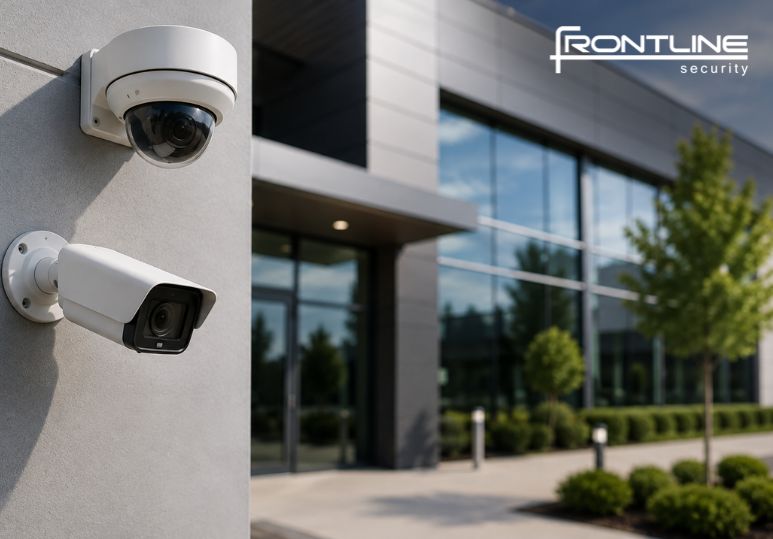
Commercial security technology continues to evolve, making regular system reviews important for businesses that want dependable protection. Commercial security systems can include intrusion alarms, surveillance cameras, access control, monitoring technology, and other components that work together to protect employees, property, and valuable assets. While there is no universal schedule for replacing every security system, aging equipment, recurring technical problems, business growth, and outdated features can all indicate that an upgrade should be considered. Modern commercial alarm systems may provide improved detection, remote management, better integration, and more reliable communication than older equipment. Businesses should regularly evaluate whether their current security technology still provides appropriate coverage for their property and operations. A professional assessment can identify weaknesses and determine whether individual components should be upgraded or a broader system update is appropriate. Proactive upgrades can help prevent security gaps before they become costly problems.
KNOWING WHEN SECURITY SYSTEMS NEED UPGRADING
There is no single replacement schedule that applies to every commercial security system. The appropriate time to upgrade depends on the age of the equipment, how well it performs, the type of technology being used, and whether the needs of the business have changed. Instead of waiting for a complete system failure, businesses should review their security technology regularly and pay attention to signs that performance is declining.
Older equipment may continue functioning while providing less effective protection than newer technology. Surveillance cameras may produce low-resolution footage, motion detectors may become less dependable, and outdated communication equipment may lack the connectivity available in modern commercial alarm systems. These limitations can create security gaps even when the equipment technically still works.
Recurring technical problems are another warning sign. Businesses should investigate systems that frequently experience communication failures, false alarms, unreliable sensors, or recording problems. Repeated service calls can become costly, and ongoing issues may indicate that replacing aging components is more practical than continuing to repair them.
Common signs that an upgrade may be appropriate include:
- Frequent false alarms
- Poor camera image quality
- Limited video storage
- Unreliable sensors
- Communication failures
- Lack of remote access
- Outdated access credentials
- Increasing maintenance requirements
Changes to the property can also make an existing business security system less effective. Renovations, additional entrances, expanded warehouses, new offices, and changes in how employees use the building can create areas that were not considered when the original system was installed.
Businesses should review security whenever the physical layout or daily operations change significantly. Adding new equipment to an old system without reassessing overall coverage can result in blind spots or disconnected technologies that do not work effectively together.
Regular professional inspections can help identify these issues early. Rather than replacing equipment based only on age, businesses can make upgrade decisions based on actual system performance, risk exposure, and operational requirements.
HOW MODERN SECURITY IMPROVES YOUR PROTECTION
Upgrading commercial security systems does not necessarily mean replacing every device in the building. In many cases, businesses can modernize specific components while continuing to use equipment that remains reliable and compatible. A professional assessment can determine which technologies provide the greatest opportunity for improvement.
Modern surveillance cameras are one example. Newer cameras can provide higher-resolution images, improved low-light performance, remote viewing, and more efficient video storage. These improvements can make footage more useful when investigating theft, vandalism, unauthorized entry, or workplace incidents.
Alarm technology has also advanced. Modern commercial alarm systems can use multiple communication methods, helping maintain connectivity if a primary network becomes unavailable. Mobile applications may allow authorized users to arm or disarm systems remotely, receive notifications, and review security activity without being physically present at the property.
Businesses considering upgrades should evaluate features such as:
- High-definition surveillance
- Remote system management
- Mobile security alerts
- Smart video analytics
- Electronic access control
- Professional alarm monitoring
- Backup communication
- Centralized security management
Access control technology can also benefit from modernization. Businesses that still rely heavily on physical keys may choose electronic cards, fobs, PIN codes, or mobile credentials. Electronic systems make it easier to add or remove employee permissions without replacing locks or recovering physical keys.
Integration is another major advantage of newer business security systems. Alarm systems, surveillance cameras, and access control can often work together through a centralized platform. For example, an access event may correspond with recorded video, or an alarm activation may prompt cameras to capture activity in a specific area.
These capabilities improve situational awareness and make security easier to manage. Instead of maintaining several independent systems, businesses can create a more coordinated approach that provides clearer information about activity throughout the property.
New technology alone, however, does not guarantee better protection. Equipment must be selected based on actual security risks and installed correctly. Professional commercial security installation ensures upgrades address real vulnerabilities instead of simply adding features that may provide limited practical value.
PLANNING SECURITY UPGRADES FOR LONG-TERM VALUE
The best approach to upgrading commercial security systems is proactive rather than reactive. Waiting until equipment fails can leave businesses temporarily unprotected and may force rushed purchasing decisions. Regular security reviews allow organizations to plan improvements, budget for upgrades, and replace equipment strategically.
A useful review should consider both the technology and the business itself. Security requirements can change significantly as an organization grows. A system originally designed for a small office may no longer provide appropriate protection after the company expands into additional space, hires more employees, or stores higher-value equipment.
Businesses should review factors such as:
- Changes to building layout
- New entrances or exits
- Increased inventory
- Additional employees
- Extended operating hours
- New restricted areas
- Recent security incidents
- Changes in insurance requirements
Cybersecurity should also be considered when upgrading connected physical security equipment. Modern cameras, access control platforms, and alarm systems may operate across business networks. Keeping software and firmware current and using properly configured equipment can help reduce vulnerabilities associated with outdated connected devices.
Scalability is equally important. A well-designed business security system should allow additional cameras, sensors, doors, or locations to be added as the organization grows. Choosing flexible technology can reduce the need for complete system replacement every time operations expand.
Businesses should also consider maintenance and ongoing support when planning upgrades. Even modern equipment requires testing, software updates, cleaning, battery replacement, and occasional servicing. Establishing a maintenance schedule helps protect the investment and ensures equipment continues functioning as intended.
Professional commercial security installation can also help businesses determine whether existing infrastructure can be reused. Cabling, cameras, sensors, or other components may still have useful service life, allowing an organization to modernize strategically without replacing equipment unnecessarily.
Ultimately, businesses should not wait for a specific number of years before considering an upgrade. Commercial security systems should be evaluated based on performance, reliability, compatibility, changing risks, and the evolving needs of the organization. Regular assessments make it easier to identify weaknesses early and prioritize improvements before security is compromised.
A thoughtful upgrade strategy can extend the life of existing equipment while introducing modern capabilities where they provide the greatest benefit. By reviewing security regularly and investing strategically, businesses can maintain dependable protection while preparing their systems for future growth.
FAQs
Businesses should review their security systems regularly and whenever major operational or property changes occur. System age, performance, changing risks, and new security requirements can all influence when upgrades are appropriate.
Frequent false alarms, poor camera quality, communication failures, limited remote capabilities, recurring repairs, and difficulty integrating newer technology can indicate that an existing system needs attention.
Not always. Individual cameras, sensors, access control components, communication equipment, or software may be upgraded while compatible equipment remains in place. A professional assessment can determine the most practical approach.
Get the Peace of Mind You Deserve
You’ve worked hard to build your business or buy your home. Now it’s time to protect them properly and give yourself the peace of mind you deserve. Our full-service security solutions can give whatever matters most to you the 360° protection it needs. Contact us today by calling (403) 291-9311 or by filling out the form below and put us on your frontline.