Best Security Camera Locations for Homes
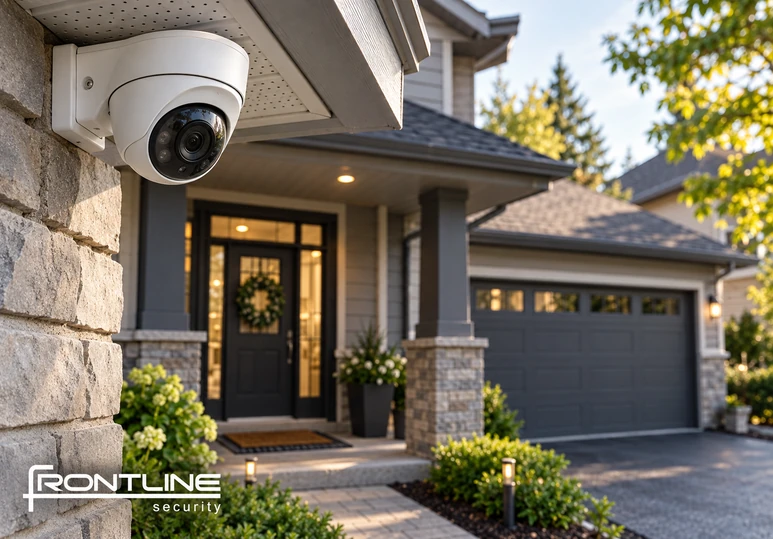
Where a camera is placed often matters as much as the camera itself. A high-quality device pointed at the wrong area can miss the activity it was installed to capture, while a thoughtful layout provides clear visibility of the places that matter most. Residential video surveillance works best when it is planned around the property, including its entrances, garage, driveway, yard, and the way the household uses the space. Most homes have a handful of priority locations, and identifying them before installation helps homeowners avoid blind spots, unnecessary devices, and footage that is difficult to use. Understanding the best security camera locations for homes can make it easier to decide how many cameras are needed, where they should go, and which features matter most. With a well-planned layout, homeowners can gain better visibility around the property, stay informed about activity, and feel more confident about everyday security.
ENTRANCES AND EXTERIOR COVERAGE
Most homeowners start with the front door, and for good reason. Entry points are where unauthorized access is most likely to be attempted, and they are also where deliveries, visitors, and household members come and go. A camera covering the front entrance can provide a clear view of who approaches the home, and a video doorbell may add convenient two-way visibility for those who want it. The camera should be mounted so it captures faces as people approach rather than only the tops of their heads, and it should be positioned to reduce glare from direct sun or bright porch lighting.
The back door deserves equal attention. Rear entrances are often less visible from the street, which can make them appealing to someone hoping to avoid notice. A camera covering the back door and rear yard access can fill a visibility gap that street-facing cameras cannot. Side gates and narrow side yards should also be considered, since they often connect the front and back of the property and may be observed less frequently.
Garages are another priority. Vehicles, tools, bikes, and other valuable equipment are often stored there, and an attached garage may provide direct access into the home. Cameras covering the garage door, any side entry door, and the driveway can provide useful visibility, particularly for households that leave the garage door open while working outside.
Common priority locations can include:
- Front door
- Back door
- Garage door
- Driveway
- Side gates
- Walkout basement doors
- Accessible windows
- Backyard
Walkout basement doors and ground-floor windows may also benefit from coverage, especially when fences, landscaping, or the layout of the lot hide them from the street. The goal is not to cover every inch of the property. It is to cover the routes someone could realistically use to approach and enter the home.
INTERIOR AREAS AND PRIVACY
Exterior cameras show what is happening around the property, while interior cameras can provide additional context inside it. The most useful indoor locations are usually the places people must pass through, such as the main entry area, hallways, staircases, and the main living space closest to an entrance. A camera positioned to view the entry area can help homeowners confirm who has come into the home, which can be especially helpful when children arrive from school or when visitors, caregivers, or service providers are expected.
Privacy should guide every interior placement decision. Bedrooms, bathrooms, and other private spaces are generally not appropriate locations for cameras, and homeowners should consider how household members and guests will feel about being recorded. Some systems offer features such as privacy modes, scheduling, or the ability to disable indoor cameras while the household is home, which can help balance security with comfort.
Privacy also applies outdoors. Cameras should be aimed to cover the homeowner's own property rather than looking into neighbouring windows, yards, or other private areas. Adjusting the angle and field of view during installation can help keep the footage focused on the areas that matter, and homeowners may also want to review any privacy rules that apply to their situation.
Interior areas to consider include:
- Main entry area
- Main floor hallways
- Staircases
- Main living area
- Basement access
- Door from the garage
Not every home needs indoor cameras. Many households rely on exterior coverage combined with alarm equipment, while others add a small number of interior cameras at key points. The right balance depends on the property, the household, and the level of visibility the homeowner wants.
PLANNING FOR PERFORMANCE
Choosing the right location is only part of the process. How a camera is mounted and supported determines how useful its footage will be. Height matters, because a camera mounted too low may be easy to reach or tamper with, while one mounted too high may capture poor angles of faces. Field of view, lighting, and obstructions such as trees, posts, decorations, or seasonal snow buildup should also be considered, since anything blocking the lens can reduce the quality of the footage.
Lighting is one of the most overlooked factors. A camera facing a bright light source or looking into direct sun may produce washed-out images, while a dark area may make footage harder to review. Cameras with night visibility features and well-placed exterior lighting can help maintain clearer images after dark, and thoughtful placement can reduce glare from porch lights, headlights, or reflective surfaces.
Weather is a practical consideration in Calgary, where outdoor equipment may face cold winters, snow, wind, and temperature swings. Outdoor cameras should be rated for the conditions they will face, and homeowners should confirm that the equipment is suited to the environment where it will be installed.
Power and connectivity also affect performance. Wired and wireless cameras each have advantages, and some locations may be far from the router or an available power source. Wi-Fi signals can weaken near exterior walls, garages, and detached structures, so planning for reliable network coverage and stable power helps keep cameras working consistently.
Before installation, consider:
- Mounting height
- Viewing angle
- Night visibility
- Weather rating
- Power source
- Network coverage
- Recording and storage
- Future expansion
Professional installation can help ensure each camera is positioned, configured, and tested for the property rather than placed based on guesswork. A site assessment can identify blind spots, recommend appropriate coverage, and help avoid installing more devices than the property needs. When cameras are planned as part of a broader security setup that may include alarm equipment and exterior lighting, homeowners can build a system that provides clear visibility, dependable performance, and room to grow.
FAQs
Most homeowners start with the front door, back door, garage, and driveway, then add coverage for side gates, walkout basement doors, and accessible windows. Effective residential video surveillance focuses on the routes someone could realistically use to approach the home.
The number depends on the size of the property, the number of entrances, and the level of coverage you want. Many homes begin with a few cameras at key entry points and add more later as needs change.
Interior home security cameras can be useful in entry areas, hallways, and stairways, but they should be placed with privacy in mind and kept out of bedrooms and bathrooms. Many homeowners combine exterior and interior coverage based on their household and comfort level.
Get the Peace of Mind You Deserve
You’ve worked hard to build your business or buy your home. Now it’s time to protect them properly and give yourself the peace of mind you deserve. Our full-service security solutions can give whatever matters most to you the 360° protection it needs. Contact us today by calling (403) 291-9311 or by filling out the form below and put us on your frontline.